

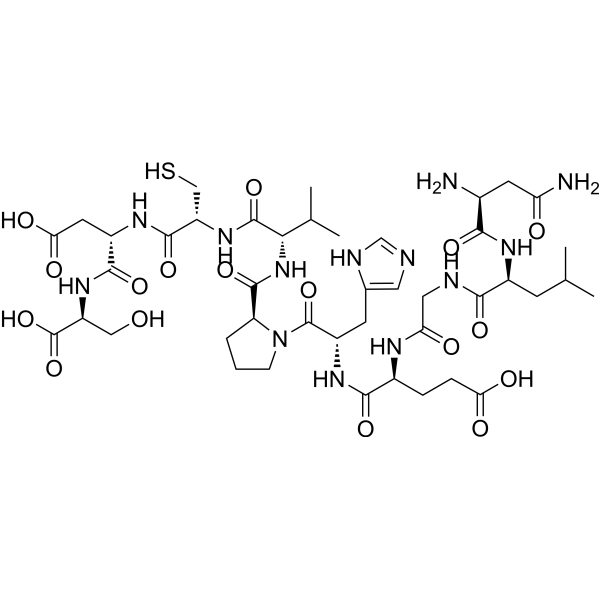
Description Contents hide 1 Product Description 1.1 Biological Significance 1.2 Mechanistic Insights 1.3 Applications 1.4 Experimental Handling 2 Product Specifications 3 Mechanism of Action 3.1 1. Synaptic Modulation 3.2 2. Neurodevelopmental Pathways 3.3 3. Psychiatric Disorder Modeling 3.4 4. Mechanistic Studies 3.5 5. Integration in Experimental Research 4 Side Effects 5 Keywords 6 Shipping Guarantee 7 Trade Assurance 8 Payment Support 9 Disclaimer Product Description2: PN: US20040072744 SEQID: 2 claimed protein CAS 389572-87-6 is a synthetic peptide derived from the sequence disclosed in US patent US20040072744 (SEQID: 2). This peptide is primarily used in preclinical neuroscience research, with applications in modeling and mechanistic studies of neurodevelopmental and psychiatric disorders.Biological SignificanceThe peptide is implicated in studies of Down’s syndrome (trisomy 21) and schizophrenia, where molecular dysfunctions at synaptic, neuronal signaling, and cognitive levels are explored. By providing a synthetic analog of native sequences, researchers can dissect specific protein functions, receptor interactions, and intracellular signaling pathways relevant to neurodevelopment and psychiatric conditions.Mechanistic InsightsAlthough the precise molecular target may depend on experimental design, this synthetic peptide is utilized to:Modulate synaptic activity and neurotransmitter release in neuronal culture modelsInvestigate cognitive and behavioral effects in preclinical animal modelsExamine molecular pathways altered in Down’s syndrome and schizophrenia, such as synaptic plasticity, NMDA receptor signaling, and neurodevelopmental transcriptional networksApplicationsKey experimental applications include:Down’s syndrome research: Exploring pathways disrupted in trisomy 21, including neuronal differentiation, synapse formation, and cognitive function.Schizophrenia research: Studying synaptic dysfunction, neurotransmitter imbalances, and cellular signaling deficits.Drug discovery and mechanistic studies: Serving as a tool to validate potential therapeutic targets or interventions.In vitro and in vivo neuroscience models: Used in cell cultures, organoids, and rodent models to evaluate neuronal and behavioral outcomes.Experimental HandlingSupplied as a lyophilized powderSoluble in water, PBS, or DMSO for in vitro and in vivo applicationsStore at −20 °C, dry and protected from lightHandle under standard biosafety protocolsProduct SpecificationsParameterSpecificationProduct Name2: PN: US20040072744 SEQID: 2 claimed proteinCAS Number389572-87-6SynonymsSEQID: 2 peptide, US20040072744 peptide, synthetic neuropeptideMolecular FormulaDependent on specific amino acid sequenceMolecular WeightSequence-dependentPurity≥99%AppearanceWhite to off-white lyophilized peptide powderSolubilitySoluble in water, PBS, DMSOStorage Conditions−20 °C, desiccated, protected from lightApplicationsDown’s syndrome research, schizophrenia research, neurodevelopmental studies, synaptic signaling investigationsMechanism of Action2: PN: US20040072744 SEQID: 2 claimed protein CAS 389572-87-6 functions as a synthetic analog peptide with activity relevant to neurodevelopmental and psychiatric research:1. Synaptic ModulationThe peptide may interact with neuronal receptors or signaling proteins to modulate synaptic activity, neurotransmitter release, and plasticity.2. Neurodevelopmental PathwaysIn Down’s syndrome models, the peptide is used to study disrupted developmental signaling pathways, including:Neuronal differentiationAxonal growthSynapse formation3. Psychiatric Disorder ModelingIn schizophrenia research, the peptide allows examination of:NMDA receptor signaling and associated downstream cascadesDopaminergic and glutamatergic synaptic modulationBehavioral outcomes in preclinical models4. Mechanistic StudiesInvestigates molecular pathways altered in neurodevelopmental and psychiatric conditionsEvaluates effects on intracellular signaling, transcriptional networks, and synaptic function5. Integration in Experimental ResearchThe peptide is compatible with:Neuronal cell cultures, including primary and induced pluripotent stem cell-derived neuronsBrain organoids for developmental studiesRodent behavioral models for cognitive and psychiatric endpointsSide EffectsIn experimental research, this synthetic peptide demonstrates:Minimal cytotoxicity in standard neuronal culture concentrationsNo observed mutagenicity or genotoxicity in standard preclinical modelsHandling should follow standard peptide and biosafety protocolsKeywords2: PN: US20040072744 SEQID: 2 claimed protein, CAS 389572-87-6 ,synthetic peptide, Down’s syndrome research, schizophrenia research, neurodevelopmental peptide, synaptic function, neuronal signaling, preclinical neuroscience, NMDA receptor modulation, cognitive disorder modelShipping GuaranteeAll shipments are handled using validated cold-chain logistics to preserve peptide integrity. Each package is sealed in moisture-proof containers with secondary protective wrapping and continuous temperature monitoring. Products are shipped via express international couriers with full tracking and insurance coverage.Trade AssuranceWe ensure product authenticity, verified ≥99% purity, and compliance with analytical standards (HPLC, MS, and NMR). Each batch is supplied with a Certificate of Analysis (CoA). Our trade assurance policy guarantees replacement or refund for any deviation from listed specifications.Payment SupportWe provide flexible and secure global payment options to support international research transactions. Accepted payment methods include PayPal, major credit cards (Visa, MasterCard, American Express), telegraphic transfer (T/T), and cryptocurrencies (USDT, Bitcoin, Ethereum). All transactions are protected by industry-standard encryption and verified payment gateways to ensure confidentiality and fund security.DisclaimerAll CAS 389572-87-6 products listed are intended for laboratory research use only and not for human or veterinary use. They are not drugs, medical devices, or diagnostics and should not be administered to humans or animals. Researchers must handle all materials in accordance with institutional biosafety and chemical safety guidelines. The information provided is for scientific reference only and does not imply therapeutic efficacy, safety, or regulatory approval.
Related products

2 Piece Kurta Sets
$ 15.15
3 Piece Kurta Set
$ 25.66
2 Piece Kurta Sets
$ 27.94

2 Piece Kurta Sets
$ 32.78
2 Piece Kurta Sets
$ 12.44
2 Piece Kurta Sets
$ 22.93

2 Piece Kurta Sets
$ 12.99

2 Piece Kurta Sets
$ 28.63